
Tile & Grout
Best Grout for Swimming Pool Tiles: Epoxy or Cement?
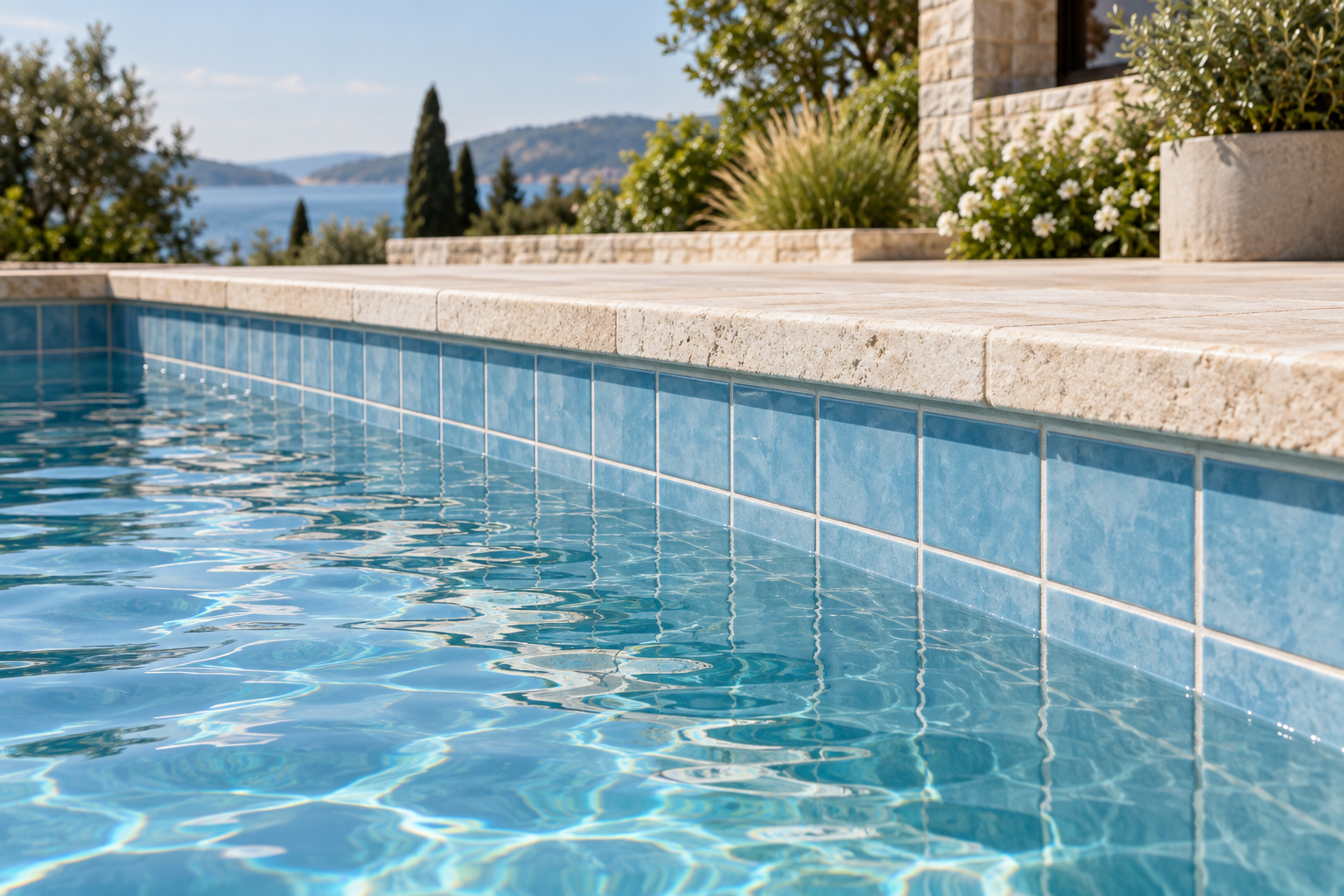
Select grout for the complete immersed tile system.
In this guide
For a tiled swimming pool with demanding chemical exposure, start by evaluating an epoxy grout explicitly approved for continuous pool immersion. A pool-approved cement-based grout can also be suitable when the pool’s tile system, water conditions and maintenance plan permit it. The best grout for swimming pool tiles is the grade that meets the complete application requirements, rather than simply the strongest material on a comparison chart.
Check immersion approval before colour, price or convenience. Bathroom use, water resistance and suitability for an outdoor patio do not establish suitability below a pool’s waterline. Then compare the candidates against the tile, joint dimensions, operating conditions and time available before refilling. Those checks determine whether the installation can deliver the intended result.
Epoxy vs cement-based grout for swimming pool tiles
| Selection question | Pool-approved epoxy grout | Pool-approved cement-based grout |
|---|---|---|
| When should it enter the shortlist? | When the project requires documented chemical resistance and the grade covers the pool exposure. | When the specified pool system permits cement-based grout for the actual water and service conditions. |
| What must the data sheet confirm? | Continuous immersion, relevant chemical exposure, tile compatibility, joint range and cure before filling. | Pool immersion, compatible tile and joint range, mixing and curing requirements, and any permitted surface treatment. |
| What changes the installation plan? | Component proportioning, working time and timely residue removal need careful coordination. | Water proportion, mixing consistency and specified cure protection need careful control. |
| How should cost be compared? | Include the complete kit, installation labor, cleanup and pool closure. | Include preparation, installation, any required compatible treatment and pool closure. |
| Can it replace a movement joint or waterproofing? | No. Preserve the designed movement joints and the separate watertight pool assembly. | |
The federal Unified Facilities Guide Specification for ceramic, quarry and glass tiling distinguishes cement grout from resin grout and identifies chemical resistance as a reason to specify resinous material. That is a useful screening principle. The guide is not a blanket pool approval: the selected product still needs documented suitability for its actual submerged application.
Continuous immersion is the first purchasing filter
Record where the grout will be used: pool floor, submerged wall, waterline, overflow channel, adjacent deck or a separate spa. These areas do not necessarily share the same exposure. An indoor heated pool also differs from an outdoor pool with seasonal temperature changes. Give suppliers the actual location instead of asking only for waterproof grout.
Confirm the expected water-treatment system, service temperature and cleaning regime. If the pool uses salt chlorination, identify that explicitly. A saltwater label does not by itself establish compatibility with the whole chemical and temperature range. Compare the documented conditions for the exact grade, including any limitations on cleaning chemicals or concentrated exposure.
Ready-mixed convenience products also need the same check. Do not assume that a premixed tile grout is suitable for permanent immersion because it resists occasional splashes. Similarly, adding a surface sealer to a cement grout does not create an immersion approval that the base material lacks. The complete treatment must be permitted by the pool installation system.
Match the grout to the tile and joint dimensions
Identify the tile precisely: glazed ceramic, porcelain, glass mosaic and natural stone can need different handling. Record the specified joint width and depth, tile thickness and surface texture. A narrow glass mosaic joint and a wider joint around a textured tile should not be treated as interchangeable applications.
Make a representative sample with the intended tile and grout colour. Assess the finish after the prescribed cure and cleanup, using the conditions needed for the project review. Check for staining, scratching or residue on sensitive surfaces. A sample that looks attractive while wet may look different after drying, so agree which appearance is being approved.
For mesh-backed mosaics, the backing and setting material belong in the compatibility review too. Grout cannot repair inadequate tile bonding or make an unsuitable backing into a pool-rated assembly. If tiles are loose or the underlying layer is failing, address that condition before choosing a replacement joint filler.
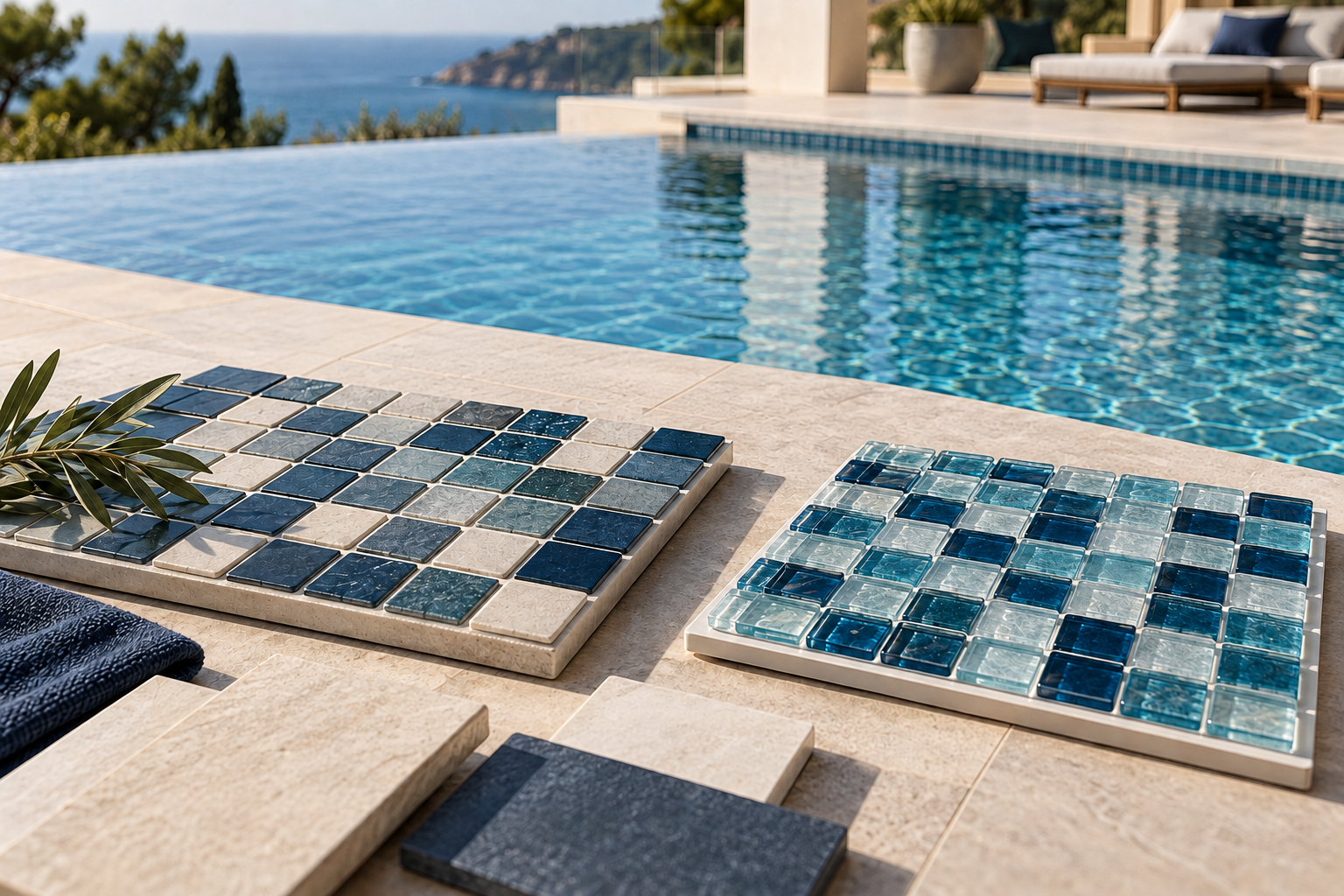
Keep tile grout, movement sealant and waterproofing separate
Grout fills the ordinary joints in the tile field. A movement joint is a deliberately different detail that allows parts of the installation to move. Filling that joint with a rigid grout removes the function the designer intended. An epoxy label does not turn a rigid joint filler into an elastomeric movement sealant.
Locate the specified movement joints before work starts, including interfaces at coping, perimeter details and changes in the underlying assembly. Select any flexible sealant for its own substrates, movement and immersion exposure. For the broader material distinction, see HANHU’s comparison of flexible sealant chemistries. Pool exposure remains a separate requirement for the selected grade.
The pool shell and waterproofing arrangement provide another part of the system. A neat grout surface does not establish that those concealed layers are sound. A repair plan should therefore identify the leak path and specify which underlying layers need attention before the joints are refilled.
Preparation matters before either grout is mixed
For a new installation, allow the setting material to reach the stage required before grouting. Check that joints are open to the specified depth and free of incompatible material. For repairs, remove unsound grout to the depth required by the repair system without damaging tile edges, bedding or waterproofing.
Identify why the old joint failed. A shallow, poorly bonded overlay can leave weak material underneath. Cracks that recur along the same line can indicate movement in the assembly. Loose tiles, repeated water loss or deterioration extending behind the finish call for assessment of the whole detail before another joint filler is installed.
Prepare the substrate moisture condition according to the selected product. Do not transfer a dampening instruction from a cement product to an epoxy kit, or assume every grout needs an identically dry joint. The instructions for that grade govern the preparation, application temperature and protection needed on the actual job.
Plan mixing, placement and cleanup as one operation
For a multicomponent epoxy, use the specified component proportions and mixing method. Factory kits help keep the components matched. Do not split a kit by eye, add solvent or alter the mix to extend working time. Plan a work area that the crew can fill, finish and clean while the material remains within its stated working limits.
For a cement-based grout, measure the specified water or additive and keep the method consistent between batches. Follow any required resting and remixing stages. An improvised extra splash of water can change the mix from the condition for which the installation instructions were written. Keep the agreed procedure consistent across the pool.
Work the grout into the joints to the required depth and finish them consistently. Follow the tile and grout instructions for cleanup tools, water and timing. Do not assume a stronger cleaner is harmless to the tile or joint. If residue has cured, obtain a compatible removal method before using an aggressive cleaner across the finish.
How long before a newly grouted pool can be filled?
Use the selected system’s cure requirement for continuous immersion, rather than its time to light foot traffic. The first water exposure is a different service condition from walking carefully on a dry tiled surface. A grout can look firm before it has reached the required stage for filling and pool operation.
Build the reopening schedule around every relevant layer: repair material, waterproofing, adhesive, grout and movement sealant. The pool is ready only when the complete assembly meets its required conditions. A fast grout does not shorten the cure of a slower layer underneath it, and a general tiling timetable should not replace the submerged-use instructions.
Record installation conditions and protect the finish through the specified cure period. Coordinate filling and commissioning with the pool contractor and operator so the first chemical treatment follows the system requirements. Avoid a universal next-day refill promise; obtain a written schedule for the actual products and temperatures involved.
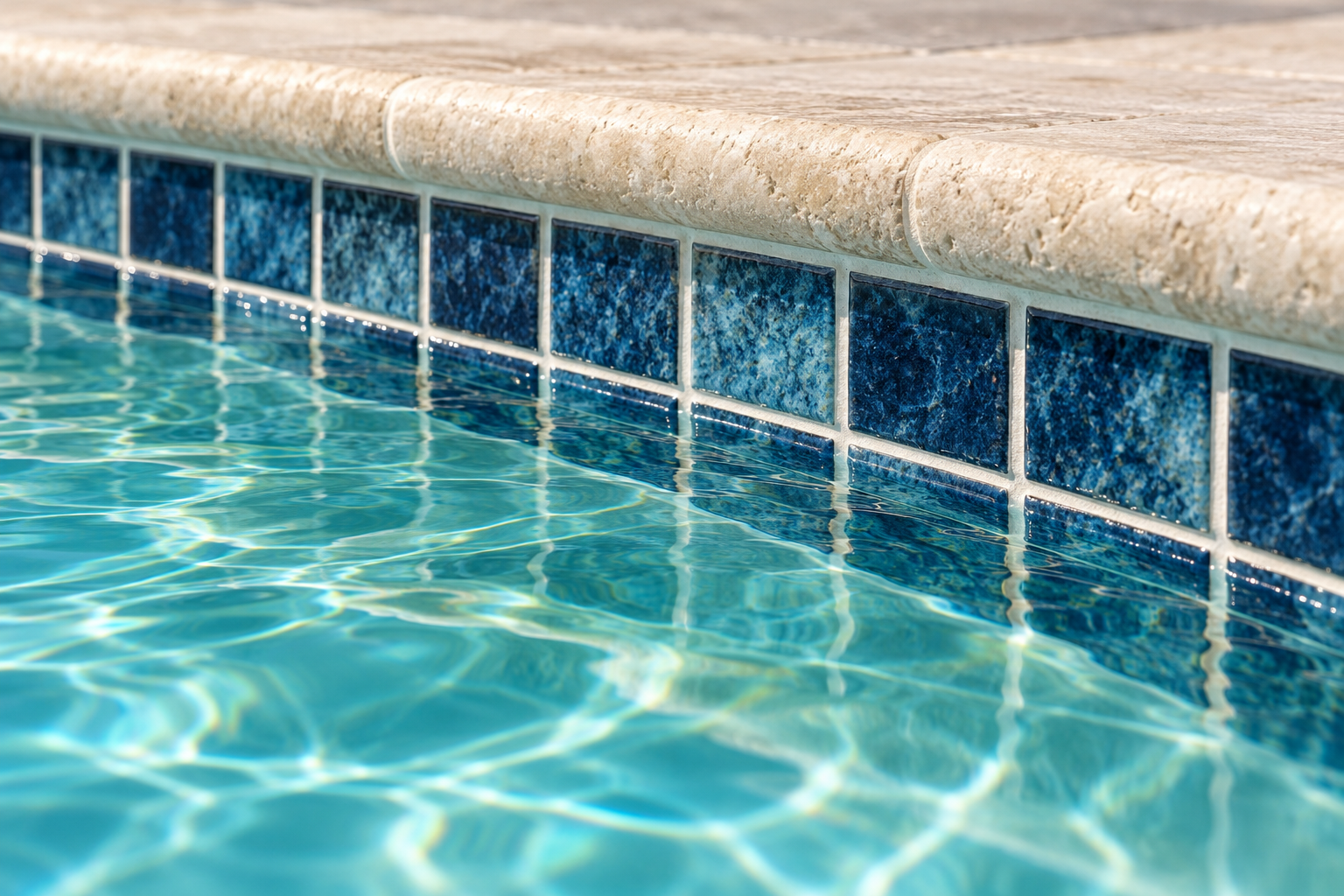
Water chemistry remains part of grout maintenance
Material selection does not remove the need to operate the pool correctly. CDC’s Model Aquatic Health Code addresses water balance and includes the effects of unbalanced water on aquatic surfaces in operator training. Its definition of saturation index also recognizes the potential for water to deposit material or dissolve grout and other construction materials.
Use that guidance within its proper scope: the MAHC is model guidance for public aquatic venues, while applicable local requirements govern a particular facility. It is not a product certification or an endorsement of an epoxy brand. For a private pool, follow the applicable requirements and the pool-system operating instructions.
Keep operating records and inspect the finish during planned maintenance. Note whether deterioration is localized, follows a movement line, occurs mainly at the waterline or accompanies loose tiles. That pattern can help the contractor distinguish an application problem from a larger assembly or operating issue. Replacing grout alone may leave those other causes unchanged.
Compare the installed system before comparing price
For a repair order, retain the selected product reference, batch identification and the document revision used for approval. Keep the sample with the maintenance record rather than approving colour from an unrelated photograph. If the tile, treatment or grout grade changes before work starts, review the affected compatibility checks again. Record which joints receive grout and which remain dedicated movement joints, so the installation crew receives the complete detail with the materials.
Ask each supplier to quote against the same tile, joint dimensions, exposure and reopening requirement. Include the grout grade, component quantities, primer or treatment where required, handling instructions and relevant compatibility documents. A lower purchase price is useful only after the proposed alternatives satisfy the same application requirements.
Estimate consumption using the selected grout’s calculation method and the actual tile and joint sizes. Small mosaics have more joints per area than larger tiles with otherwise similar spacing. Include the project’s edge details, handling losses and trial work rather than carrying over a coverage figure from a different tile layout.
For a materials discussion, send the pool-tile system and service requirements to HANHU. Include the tile type, joint dimensions, operating conditions, repair photographs if relevant and the planned closure period. Those details make the enquiry useful without relying on a generic strongest-grout claim.
Frequently asked questions about swimming pool tile grout
Is epoxy always the best grout for swimming pool tiles?
No. A pool-approved epoxy is a useful starting candidate when documented chemical resistance is a priority. A compatible, pool-approved cement-based grout can also meet a project’s requirements. Compare the exact grades and the complete installation rather than treating either chemistry as an automatic approval.
Can I use ordinary bathroom grout in a swimming pool?
Only if that exact product expressly covers the intended pool immersion and system requirements. Bathroom suitability or splash resistance alone is insufficient. Check the service exposure, tile compatibility and cure before filling; do not infer approval from the packaging category.
Will epoxy grout stop a leaking pool?
It cannot be assumed to repair a defective shell, membrane, drain connection or movement joint. Identify where water is escaping and assess the relevant assembly. Regrouting may be part of an appropriate repair, but the visible joint filler is only one part of the water-retaining system.
Should pool expansion joints be filled with tile grout?
No. Preserve the designed movement-joint detail and use the specified compatible system. Ordinary cement and epoxy tile grouts do not replace the flexible material required at an expansion joint. Colour matching does not make their functions interchangeable.
Can the pool be filled as soon as grout feels hard?
No. Follow the required cure before continuous immersion for all affected layers. Surface hardness and readiness for water exposure are different acceptance points. Confirm the filling and commissioning schedule before installation so the closure period is realistic.
Choose grout as part of the pool assembly
Shortlist products approved for the exact immersed application, then choose between suitable epoxy and cement-based grades by the project’s chemical, tile, installation and maintenance requirements. Preserve movement joints and allow the complete required cure. That produces a practical pool-grout specification and a repair or installation plan the crew can follow.
References and further reading
- USACE / NAVFAC / AFCEC — Ceramic, Quarry, and Glass Tiling — Government guide specification; grout families, chemical-resistance selection, installation and movement joints. Hosted by WBDG.
- CDC — 2024 Model Aquatic Health Code, 5th Edition — Public aquatic-venue guidance: water balance, saturation index, construction materials and operator training.